
You control what becomes public
Organizations decide what is published, what stays internal, and what gets taken down. Public pages never expose private constituent or staff data — public stats are safe aggregates, not individual records.

Linden Park Neighbors · business corridor · Tuesday
Rosa’s new awning went up this week. Verified by photo and site visit, and the CED grant report is already half written.
Grant management & impact reporting
Block captains, business liaisons, corridor merchants, and staff already tell the story every day. MissionAligned files what they share, with its source, into one structured record. When a funder asks, it is already there.
Every source your team already uses lands in the same shape: who, what, which program, what it counts as, what evidence. That shape is what turns a good week into a grant report.
One structured record
who · what · program · type · evidence
Block captains, business liaisons, corridor merchants, and staff share what they see. MissionAligned files each one with its source, its program, and what it counts as: an output, a need, an outcome. That line under every photo is the whole product.

Merchant, corridor bakeryRosa
“Still open a year after the façade grant. Hired a neighbor from the cleanup crew.”
via Follow-up form, consent on file
Filed · Outcome · Storefront open at 12 months

Business liaisonHassan
“Walked the corridor. Two vacant storefronts newly occupied since spring.”
via LinkedIn post, imported
Filed · Outcome · Vacant storefront occupied

Block captain, Maple StreetCarla
“Weekly check-in: cleanup done, forty neighbors out, two fences repainted.”
via Captain check-in form
Filed · Output · Block check-in
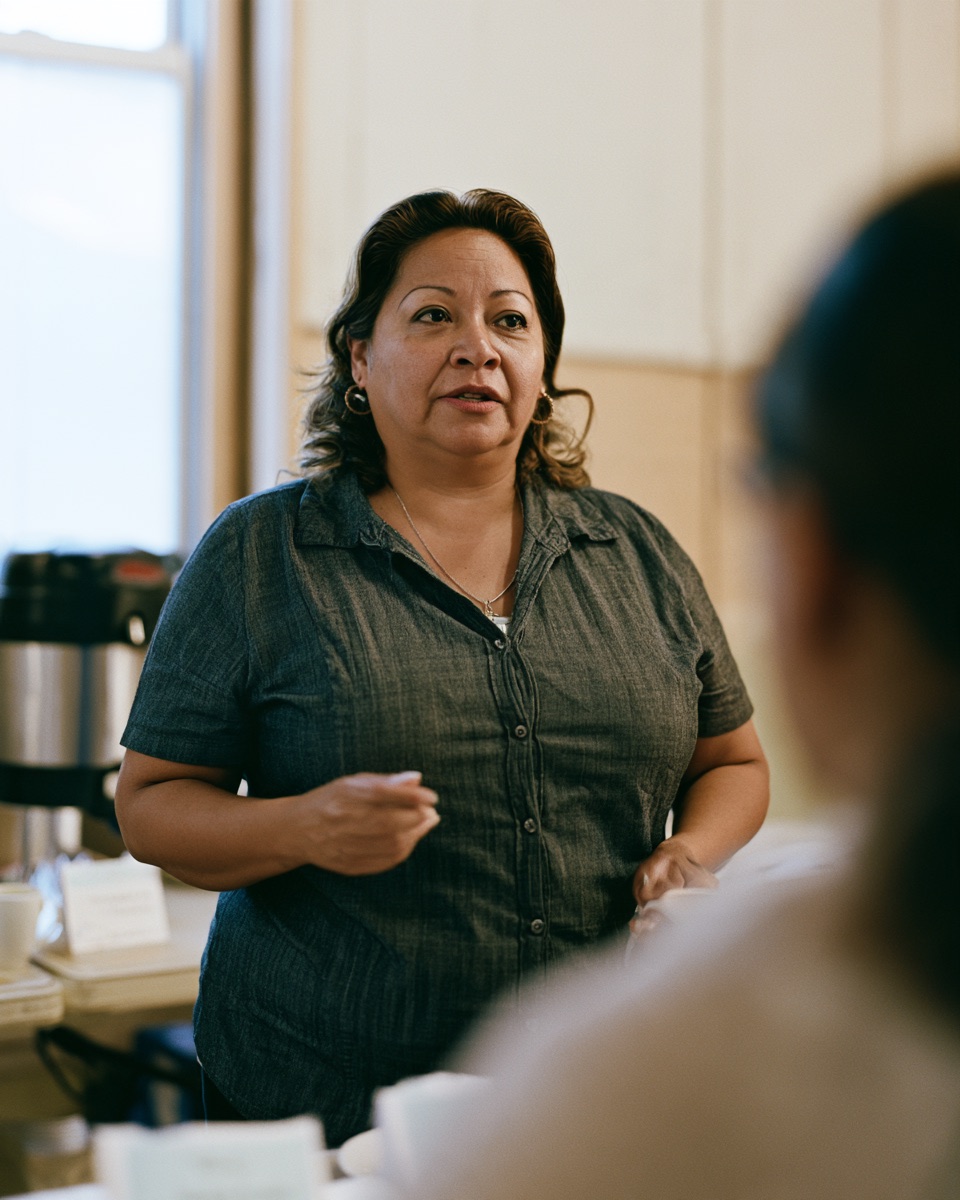
Business corridor managerSofia
“Thirty merchants at the networking breakfast. Twelve asked about façade grants.”
via Program note
Filed · Output · Assistance · 12 needs logged
Illustrative example. Names and photographs are not of a specific organization.

The pile
Everything goes into Notion: captain check-ins, a grant spreadsheet, screenshots, a report draft. At deadline, someone asks Notion AI what happened and gets a guess with the survival numbers missing.
The record
Each entry arrives already structured: who, what, which program, what it counts as, and the evidence. The Q3 grant report is a view of these rows, not a reconstruction of them.
Read the full comparison with NotionReal screens. Most of what you see is populated on day one from filings your organization already has, then kept current by the sources you connect.
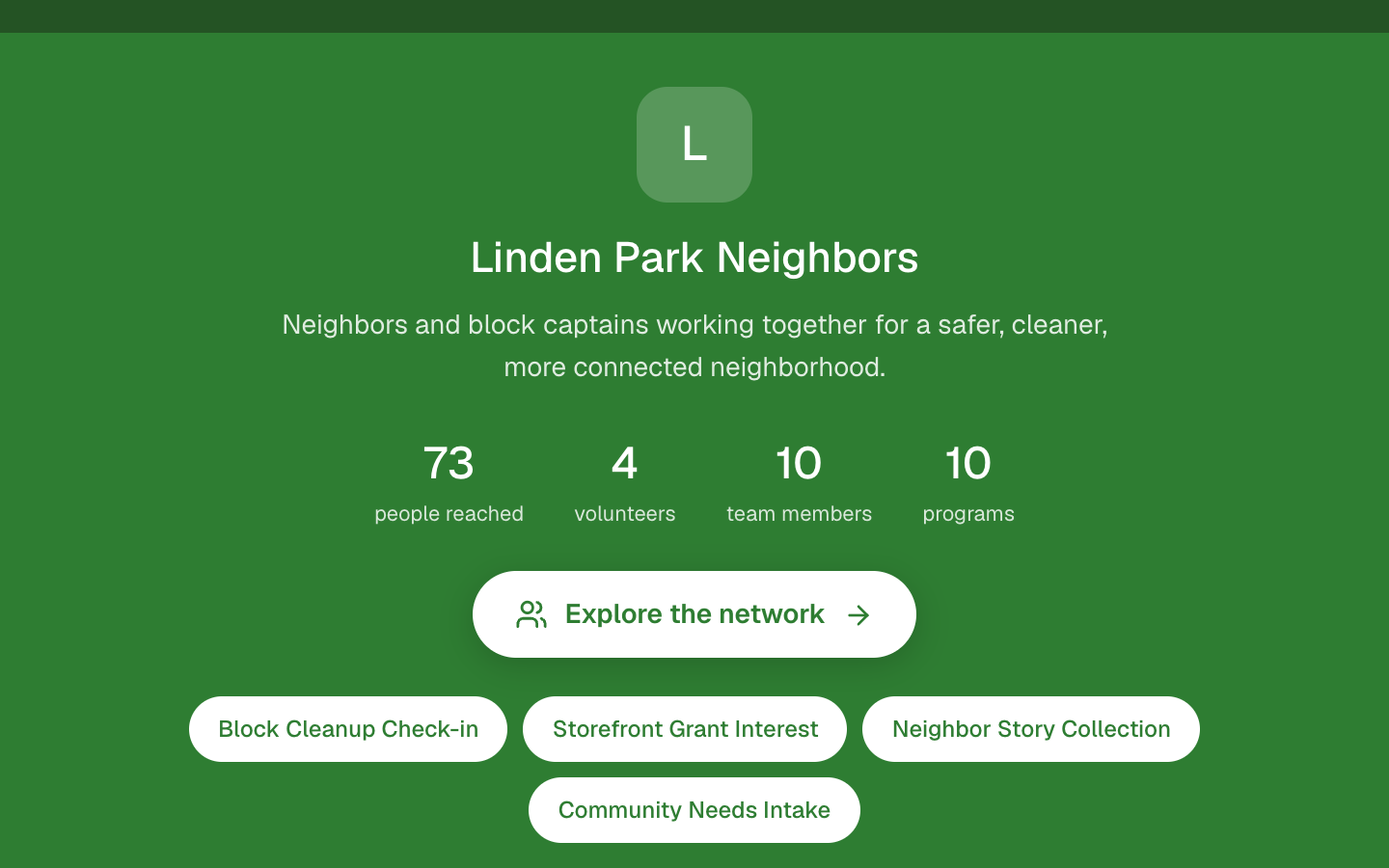
Mission Profile
Programs, finances, and mission summary, imported from your 990 and budget on day one.
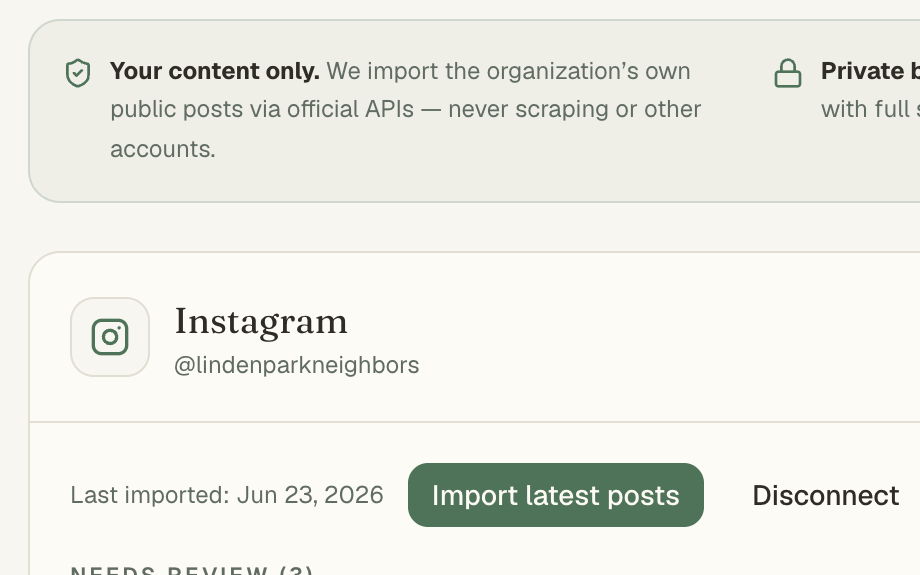
Social import
Instagram and LinkedIn posts arrive on their own, each one tagged to a program with its source kept.
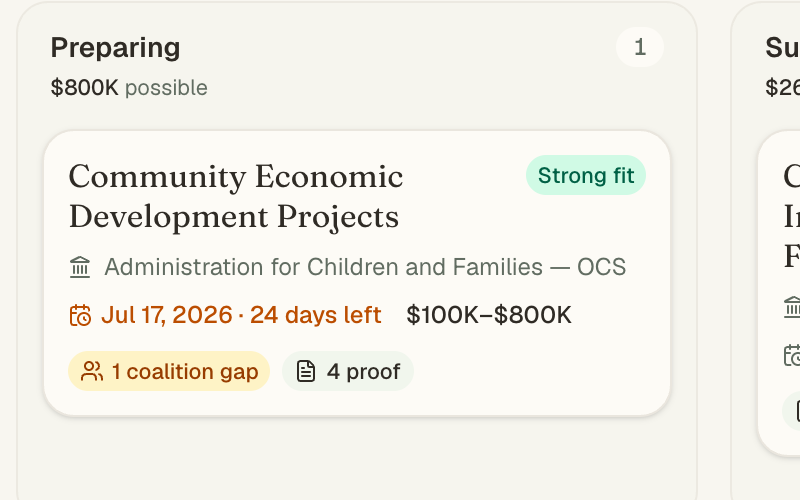
Funding
Every grant and its report, with the evidence rows already attached.
Give each grantee the operating record above, and the report writes itself. You get a signal that updates every week instead of every year, and a view across the whole cause instead of a stack of PDFs.
Trust & consent
Making mission activity public is powerful and sensitive. These are the commitments the beta is built around.
Organizations decide what is published, what stays internal, and what gets taken down. Public pages never expose private constituent or staff data — public stats are safe aggregates, not individual records.
Every piece of mission evidence keeps its provenance — who shared it, where it came from, and the consent attached to it. AI helps you draft and organize; it does not make unsupported impact claims on your behalf.
Public forms, reactions, and follows are being rate-limited and abuse-tested before we open to broader traffic. That's why beta is small.
MissionAligned is not a CRM, accounting system, email platform, or social media scheduler. It's the mission engagement and evidence layer alongside them — one day to add, and no staff time to keep running.
We are onboarding community development corporations and nonprofits that support small businesses first, a small number before broader release. Setup takes about a day, most of it imported from your 990 and budget, and there is no ongoing admin after that. Beta organizations should have at least one grant report due in the next six months.

From the founders
The first 50 people who request beta access get free lifetime memberships for the organizations they are connected to.
45 of 50 remaining. 5 people have already requested access.